"Optics and Photonics: From Basic Research to Technology Transfer, Challenges and Opportunities."
"New methodologies for the characterization of nano- and microparticles."

"Point sensors and fiber characterization techniques based on forward-stimulated Brillouin scattering."

"Short range imaging with microwaves and terahertz: radar and microscopy."

"Room-temperature polariton condensate in two-dimensional
perovskite microcavities."

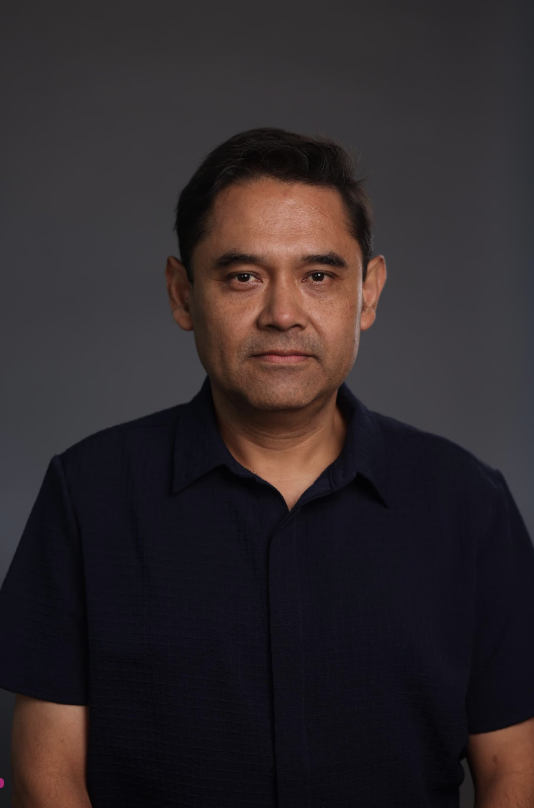
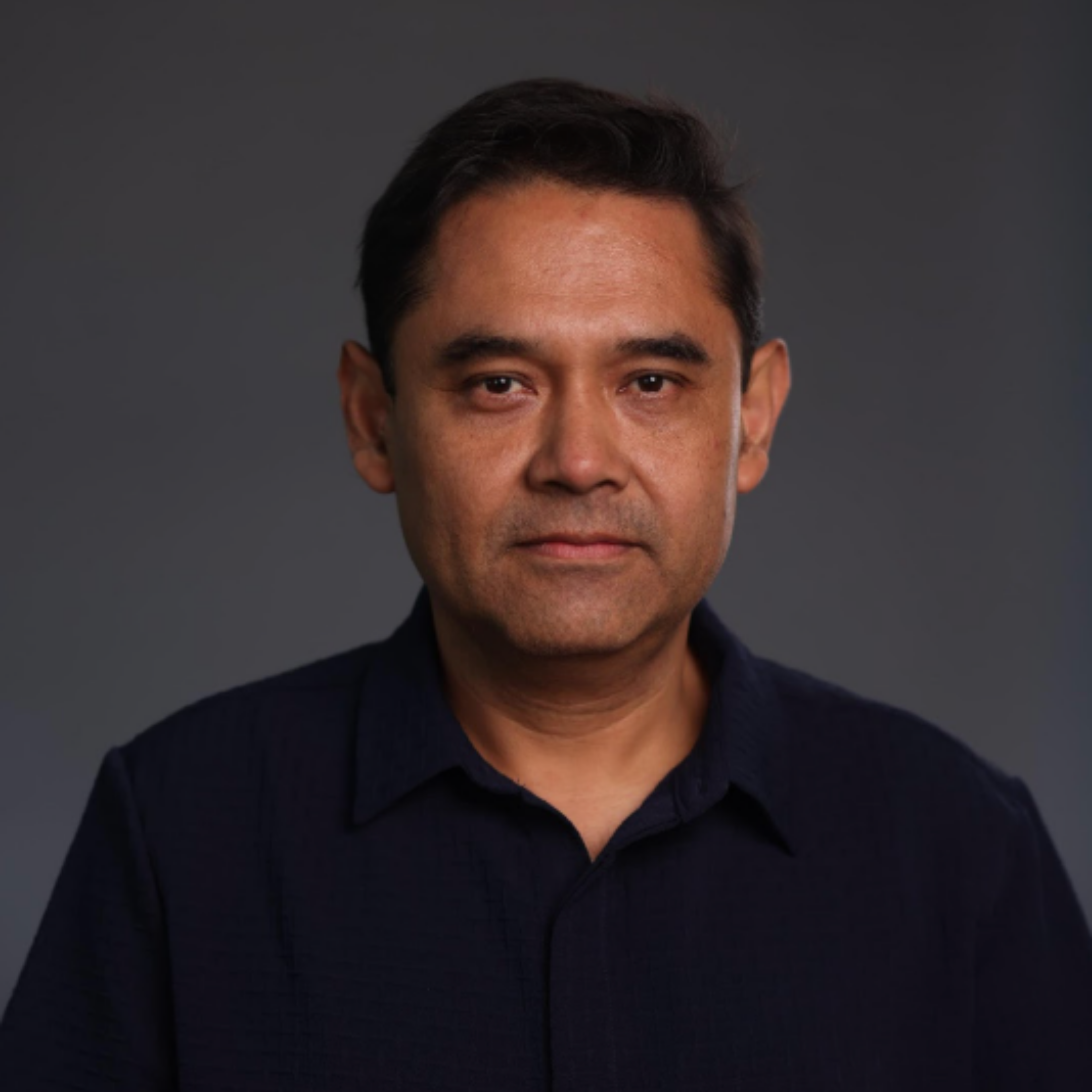
Dr. Selvas obtained his Bachelor’s degree in Electronics from ITTG and his Master’s degree in Optics from INAOE in 1995 and 1998, respectively. His master’s thesis focused on erbium-doped fiber lasers. He earned his Ph.D. at the Optoelectronics Research Centre (ORC), University of Southampton, England, where his research centered on high-power fiber lasers doped with ytterbium and neodymium.
His career has resulted in more than 65 publications in peer-reviewed scientific journals (JCR) and six patents. In collaboration with colleagues at the ORC, he achieved pioneering results and first-time demonstrations of various photonic sources.
His current research interests include fiber lasers, tunability, and fiber optic sensors applied to telecommunications, sustainable energy, smart cities, and industry. He is a member of AMC, AMO, SMF, and holds SNI Level 3 distinction. He has also served as Director of the CICFIM research center at FCFM and as Deputy Director of Graduate Studies.
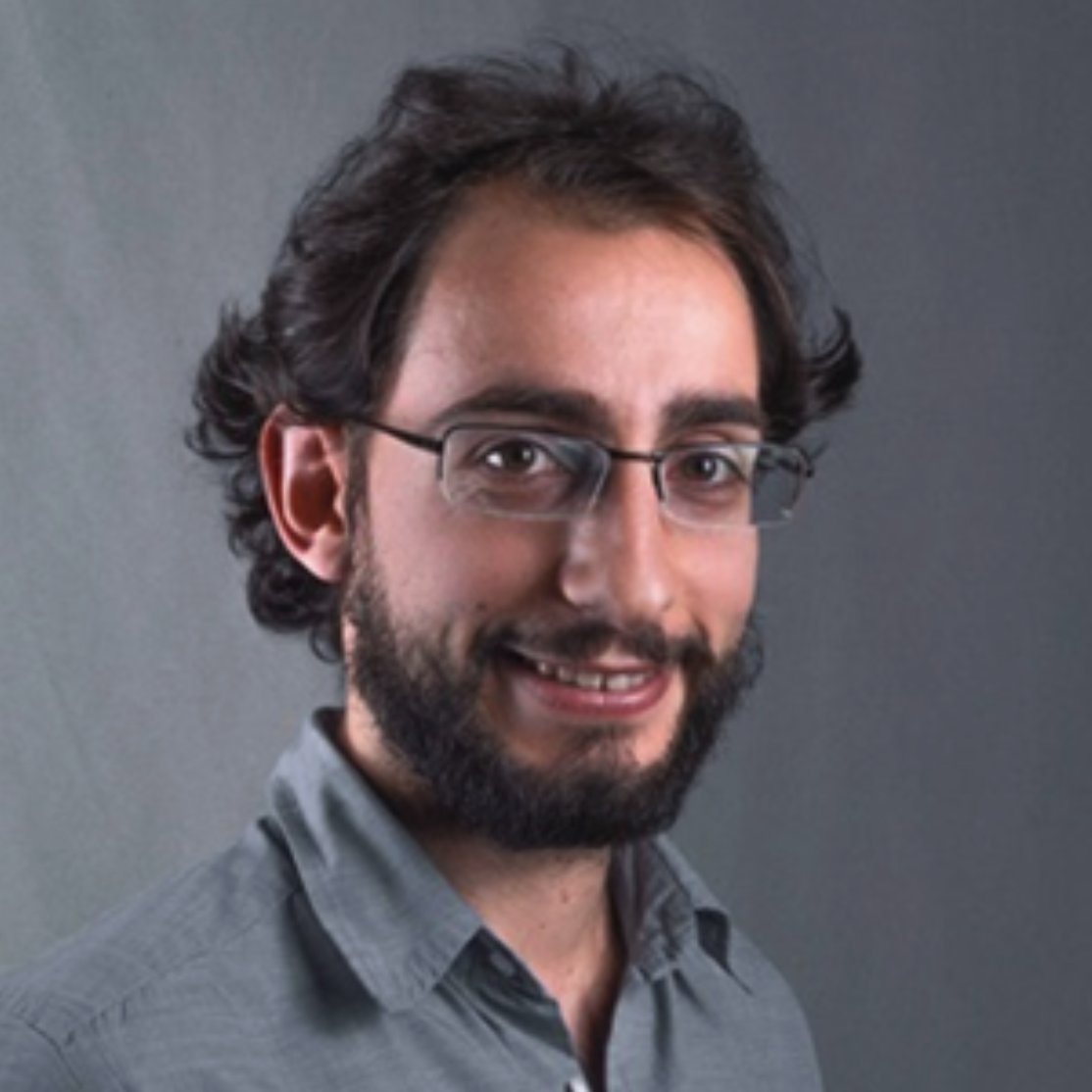
Augusto García-Valenzuela received his Bachelor’s degree in Physics from Universidad Autónoma Metropolitana–Iztapalapa (Mexico City) in 1990, and his Master’s and Ph.D. degrees in Electrical Engineering and Applied Physics from Case Western Reserve University (Cleveland, Ohio, USA) in 1992 and 1996, respectively.
Since 1996, he has been working at the Universidad Nacional Autónoma de México (UNAM), where he is currently a tenured researcher in Applied Physics and Electrical Engineering. His main research area is Electromagnetic Optics and its applications to sensor development and optical diagnostics.
In 2006, he received the Distinción Universidad Nacional para Jóvenes Académicos in the field of technology. In 2015, he was awarded the Fernando Alba Medal in Experimental Physics by the UNAM Institute of Physics.
He is the author of more than 130 peer-reviewed articles and has supervised over 25 graduate students. He regularly teaches graduate courses in optics and electrodynamics at UNAM.
Miguel V. Andrés was born in Valencia (Spain) in 1957 and, at present, he is Professor at the Department of Applied Physics of the University of Valencia, Spain, being responsible for the leadership and management of the Laboratory of Fiber Optics (www.uv.es/lfo). He received the B.Sc. and Ph.D. degrees in physics from the University of Valencia, Spain, in 1979 and 1985, respectively. After a postdoctoral stay (1984-1987) at the Department of Physics, University of Surrey, U.K., he founded the Laboratory of Fiber Optics at the University of Valencia. His current research interests include photonic crystal fibers, in-fiber acousto-optics and opto-mechanics, fiber lasers and other fiber-based light sources, fiber sensors, optical microcavities, microwave photonics, and waveguide theory. His research activity includes an increasing number of collaborations with Latin America universities and research institutes of Mexico, Argentina and Brazil among others.
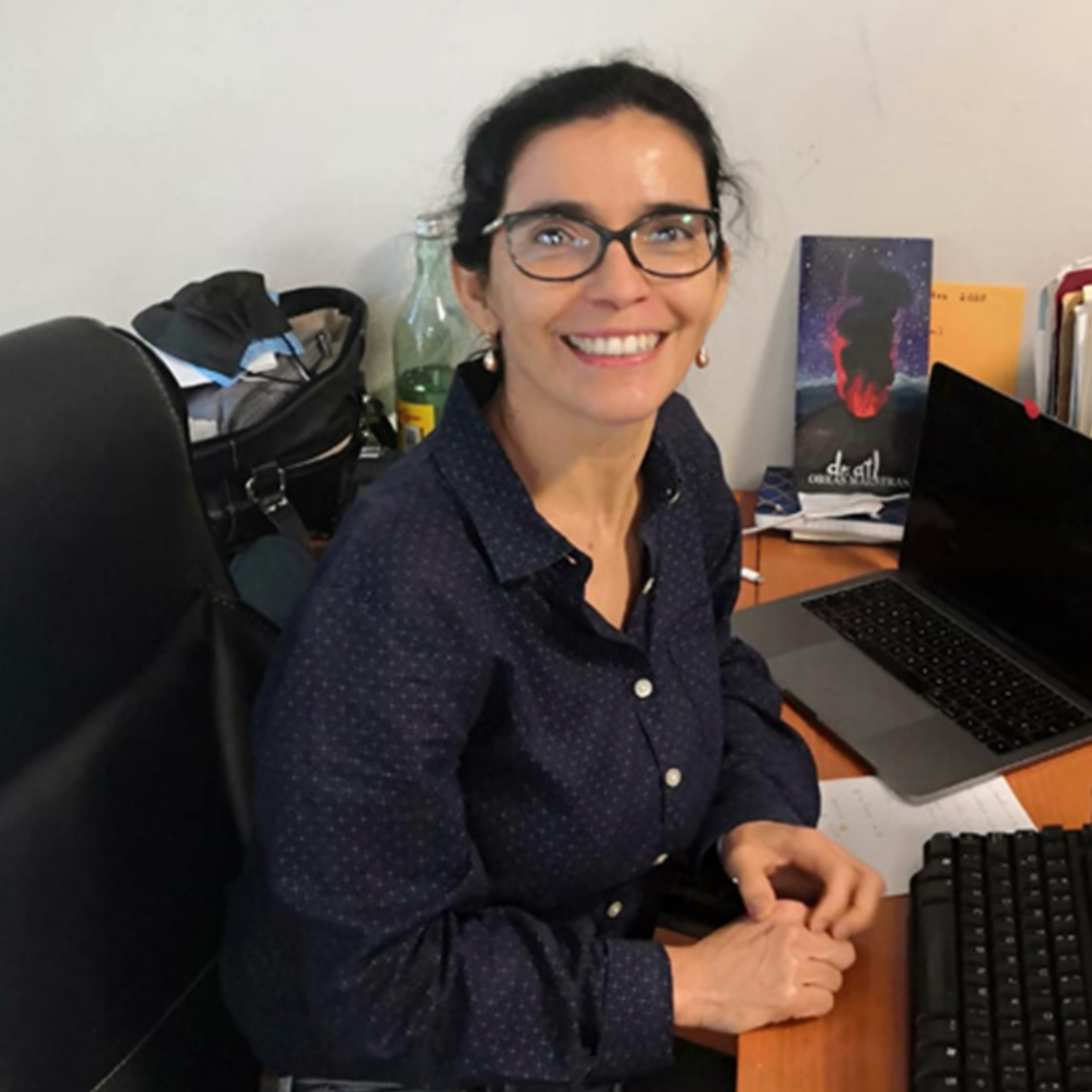
Mónica is a researcher at the Center for Research in Optics (CIO) in Mexico. She holds a Ph.D. in Optical Sciences, where she specialized in spectroscopy and imaging in the terahertz band. Her research focuses on terahertz spectroscopy applications, including the design and fabrication of terahertz optical components through 3D printing, as well as the development of innovative methodologies and applications based on this technology in fields such as agriculture, environmental monitoring, and materials characterization. Her work integrates optics, photonics, and emerging technologies to address real-world challenges, fostering innovation and the generation of applied knowledge.
Naser Qureshi received his A.B. degree in physics from Princeton University and his PhD in physics from University of California, Santa Barbara where he worked on terahertz photonics and a free electron laser studying semiconductor heterostructures. He completed postdoctoral work at the University of California, Santa Cruz in magneto-optics. His current interests include microfabrication, spin waves, terahertz imaging and microwave imaging, mostly applied to environmental problems.
Dr. Sadasivan Shaji received his Ph.D. in Physics from the Cochin University of Science and Technology (CUSAT), Kerala, India. He also earned an M.Phil. and an M.Sc. in Physics from the same institution, and completed his B.Sc. in Physics at Sree Narayana College, University of Kerala, India.
He pursued his postdoctoral research at the Institute of Atomic and Molecular Sciences (IAMS), Taipei, Taiwan (2003–2004), and later at the Center for Nanosciences, Department of Chemistry and Biochemistry, University of Missouri–St. Louis (UMSL), USA (2004–2008).
José Alfredo Pérez Bernal holds a Bachelor’s degree in Political Science and Public Administration from the Autonomous University of Nuevo León and a Master’s in Public Management from the Complutense University of Madrid. He is currently a PhD candidate in Political Science and Administration. With more than 25 years of public service, he has held various political and administrative positions and has also worked as an advisor and consultant in the private sector. His career includes serving as City Councilor in Monterrey, State Deputy in Nuevo León, Regional Comptroller at the Federal Electricity Commission, State Chairman of the PAN in Nuevo León, and Executive Coordinator for the presidential transition teams of Vicente Fox and Felipe Calderón. He is currently Director General of the Institute of Innovation and Technology Transfer of Nuevo León, leading state policies in science, technology, and innovation. He also teaches undergraduate courses at the Faculty of Political Science and International Relations of UANL.
Dr. Hilda Mercado Uribe completed her undergraduate studies at the University of Guadalajara. She obtained her master’s and doctorate degrees from the Institute of Physics of the University of Guanajuato, and she carried out the last part of her experimental work at UNAM. She has been a full-time professor-researcher at Cinvestav Monterrey since 2006 and a member of the SNII, level 2. Her research interests include the study of biomolecule hydration and the application of photodynamics to pathogenic microorganisms and cancer cells.
Dr. Giuseppe Pirruccio, born in 1986 in Palermo (Italy), began his academic formation at the University of Padua, where he earned both his Bachelor’s and Master’s degrees in Physics. He later pursued his PhD at AMOLF (The Netherlands) under the supervision of Prof. Gomez Rivas, where he specialized in coherent absorption and modified light-emission in hybrid photonics structures, such as multilayers and plasmonic lattices. Currently, Dr. Pirruccio serves as an Associate Professor at the Institute of Physics at the National Autonomous University of Mexico (UNAM) in Mexico City. As the head of the Nanophotonics Laboratory, his research focuses on exploring strongly coupled systems, two-dimensional materials, and the dynamics of coherent phenomena.
Mexican Optics was formally constituted 50 years ago and developed into the current Mexican Optics & Photonics (OP) 40 years ago. The field cornerstone was the OP emergence as a Science-Technology, a renewed challenge today. These past years have been a period of national leaders pioneering across their fields; our community building devoted institutions, with top-quality academic programs; and promoting national and international partnerships that gave real meaning to the international term. The first national goal has been achieved: the construction of high-quality national graduate programs and the development of faculty members at the highest standards. I am proud to have been a part of that. The new challenge is to adopt the international Science-Technology vision for the Mexican OP, evident in the recently awarded Nobel Prizes, as the best interest to our students, young professionals, and our nation. Personally, that renews old commitments at IFUNAM, University of Rochester, CIO, INAOE, CIICAP, and the AMO creation. Dr. José Javier Sánchez Mondragón has been a Mexican researcher since 1980, a SNI member since 1984 and a level 3 since 1996, as well as Optica Fellow and AMO former president and recipient of its Prize.
Alma holds a Bachelor’s degree in Electronics from the Meritorious Autonomous University of Puebla (BUAP), a Master of Science in Optics from the Center for Scientific Research and Higher Education of Ensenada (CICESE), and an MBA from Tecmilenio University. With over 26 years of experience in the telecommunications industry, Alma began her career working on the fabrication of splitters and Wavelength Division Multiplexers (WDM). She later specialized in optical fiber cable termination processes. Throughout her career, she has contributed to three of the most prominent companies in the field: Alcoa Fujikura Limited (AFL), Belden, and currently, Corning. Alma has paved the way for professionals transitioning from research institutions into industry roles, helping them apply their specialized capabilities to real-world challenges. Her team is composed of PhDs and MSc graduates, driving the integration of scientific knowledge into industrial innovation.